Protecting Your Kids’ Data on Social Media and Gaming Apps
The New Digital Playground
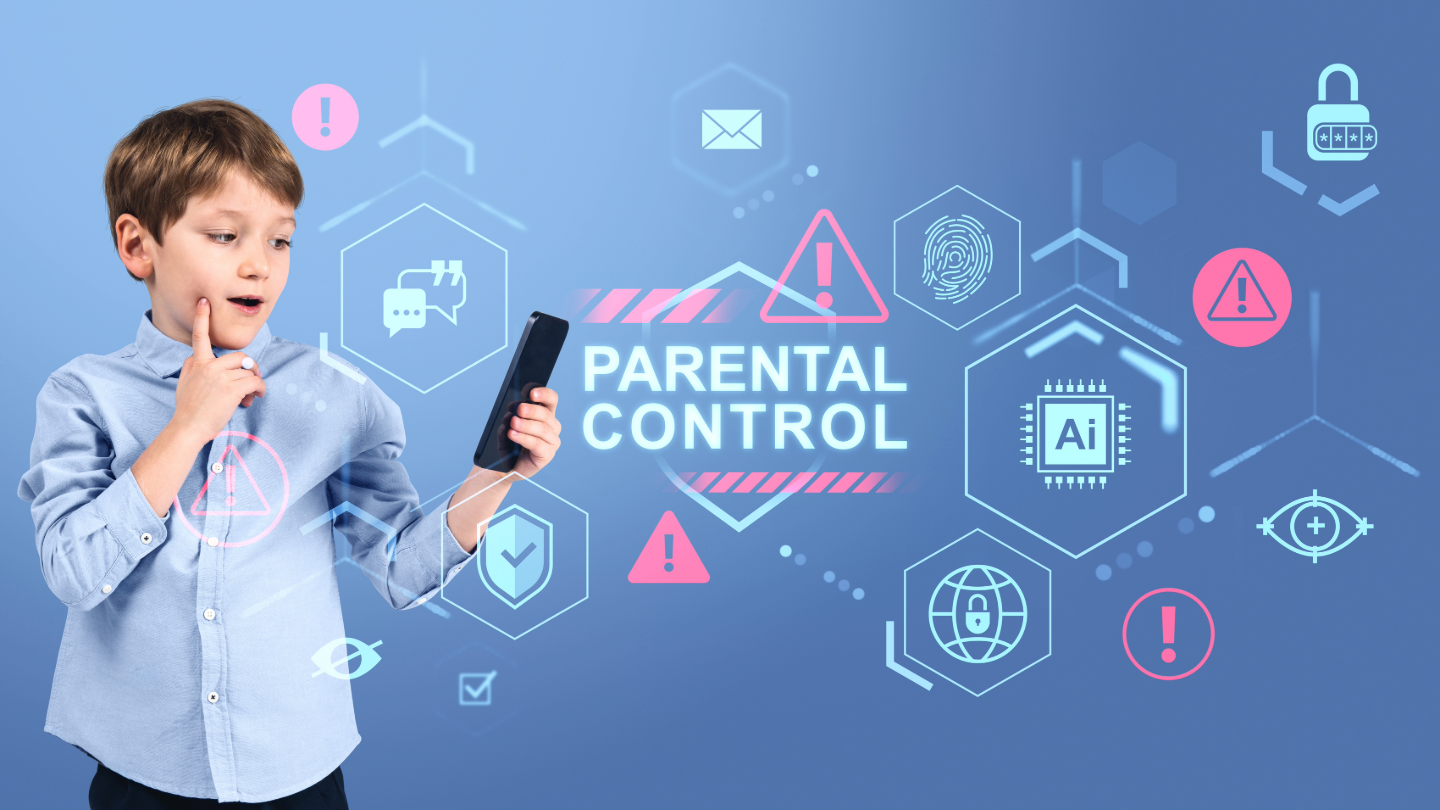
For the modern African child, the internet is now the environment in which they learn, socialize, and play. From the educational platforms driven by remote learning initiatives to the vibrant, global ecosystems of mobile gaming and social media, the digital realm has become the primary playground. However, this vast connectivity brings with it an inherent risk that exposes children’s Personal Data. While organisations across the continent strive to expand digital access, parents and guardians must recognise that they are the primary data controllers for their children’s digital personal data, necessitating a heightened sense of vigilance and proactivity.
The New Legal Imperative: Children and the NDPA 2023
It is instructive to note that the regulatory framework in Nigeria has placed a high bar for the processing of minors’ data. Under the Nigeria Data Protection Act (NDPA) 2023, a child is defined as any person below the age of 18 years. The Act unequivocally mandates that where the data subject is a child, the Data Controller must obtain the informed consent of the parent or legal guardian. This significantly raises the legal duty for all platforms and, by extension, the parental responsibility to ensure that consent is not merely a box-tick exercise but a considered, informed decision. Furthermore, the Act explicitly requires Data Controllers to apply appropriate mechanisms to verify both the age and the parental consent, a clear signal that the era of relying on simple, unverifiable age gates is over.
Understanding the Digital Data Footprint
The pervasive risk stems from the sheer volume and sensitivity of the data generated by minors on social and gaming applications. These platforms, often designed with addictive features, continuously collect identifiers far beyond simple usernames. They amass behavioural data, location information, biometric patterns, in-game spending habits, and an exhaustive list of social connections. This vast data footprint allows sophisticated algorithms to profile children, making them and their parents targets for customised marketing, or worse, exploitation. From a legal perspective, much of this information falls under the category of sensitive data when used to infer the child’s psychological state or vulnerability, demanding the strictest standards of protection.
A Guide to Proactive Parental Guardianship
Given the legal responsibility and the inherent risks, parents in Nigeria and across Africa must transition from passive supervision to proactive guardianship. This begins with the crucial step of engaging in open, honest dialogue with children about the value of their privacy and the permanency of online actions. It is not enough to simply take the phone away; parents must sit with their children to review the privacy settings on every social media and gaming account, ensuring that the profile is private by default and that location services are turned off. Furthermore, parents must model responsible digital behaviour, avoiding the oversharing of their children’s photos and personal milestones online, which often serves as a primary source of data leakage. Since many African households share internet-enabled devices, parents must also enforce the use of unique, complex passwords for each child’s account to prevent unauthorized access. This continuous, visible effort ensures that the child learns that digital safety is a life skill, not a punishment.
Protecting Against the Emerging African Threat Landscape
Finally, parents must be aware of the specific threats endemic to the region. The high rate of cyberbullying and online harassment, as highlighted by various digital rights bodies, requires parents to ensure channels of communication are always open for reporting uncomfortable experiences without fear of reprisal. Additionally, given the rapid digitization of financial services, platforms must be rigorously checked for robust age verification before linking any payment methods. Ultimately, the duty of care placed upon the parent is both a constitutional right and a practical necessity. By understanding the NDPA and adopting these necessary controls, parents can mitigate the risks posed by predatory applications and ensure their children enjoy the benefits of digital access without sacrificing their fundamental right to privacy.

Recent Posts
OADC backs NDPC to promote data privacy

Privacy watchdog, labour inspectorate inspect Amazon centres